
Canada supports Krikati women to revive Brazil’s Cerrado region
Canada recognizes that protecting biodiversity abroad and at home helps build strong, sustainable economies, and creates healthier and more resilient societies. Canada’s 2023 to 2026 International Biodiversity Program helps developing countries to fulfill their commitments. The Kunming-Montreal Global Biodiversity Framework helps to restore, conserve and sustainably use biodiversity.
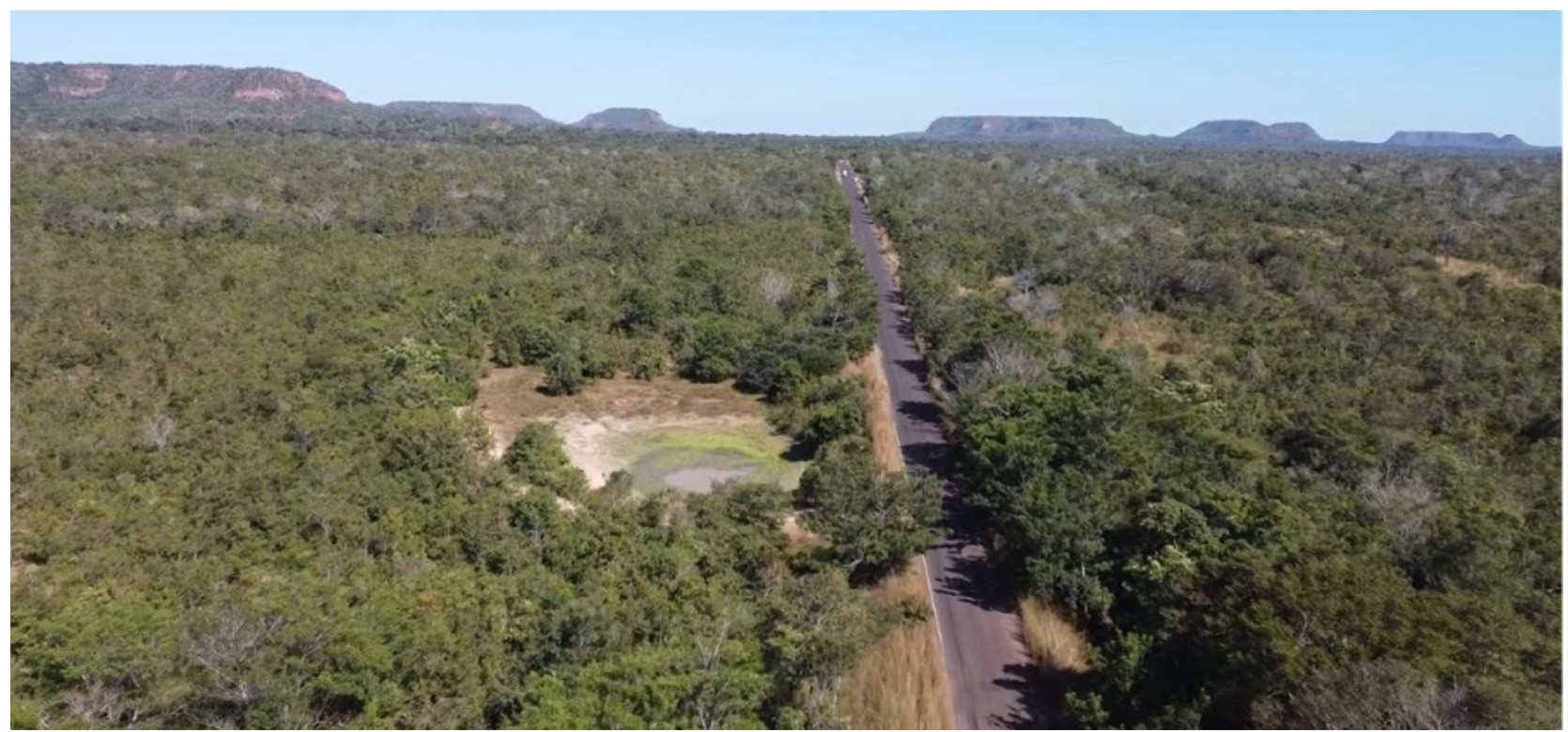
The Krikati Indigenous Territory is located in one of the most deforested regions of Brazil. This nature stronghold has become a benchmark for resilience and ancestral governance.
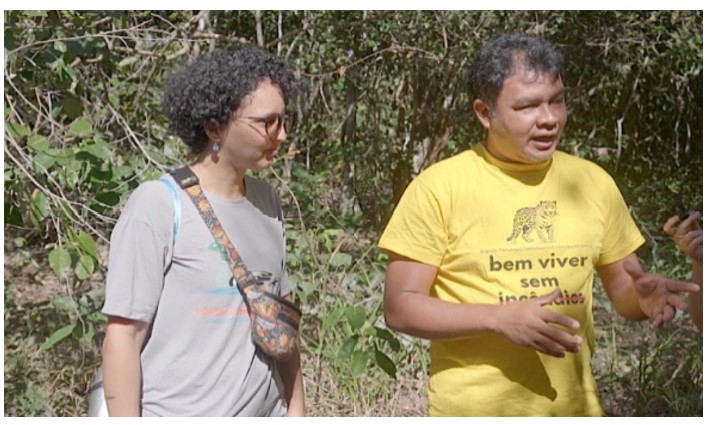
Caption: Mauricio Copacy Krikati, chief of Aldeia São José in the Krikati Indigenous Territory, discusses water resources with Aryanne Amaral from the International
Institute of Education of Brazil (IEB) and other visitors on the banks of the Pindaré River © IEB
The territory is part of the Cerrado biodiversity hotspot. It is the largest tropical savannah in South America and home to more than 14,000 plant species, a third of which are native to that region. The Cerrado stores large amounts of carbon in its deep root systems and plays a critical role in groundwater recharge. It contributes to more than 40% of Brazil’s surface water outside the Amazon, which makes it essential to water security, ecosystem resilience and climate regulation across Brazil and the Southern Cone.
The Krikati Indigenous Territory is over 146,000 hectares large and includes 14 villages. Land grabbing, illegal fencing and environmental injustices threaten the area.
Threats also come in the form of major infrastructure, such as a state highway that crosses the territory and puts wildlife and people in danger because of speeding vehicles. The construction of the highway has buried 1 of the 3 Pindaré River’s headwaters. Originating from within the Krikati Indigenous Territory, it is one of the most important rivers in Maranhão. For decades, Indigenous people have used this place for rituals, fishing and bathing. Since the construction of the highway, it has become dry and degraded.
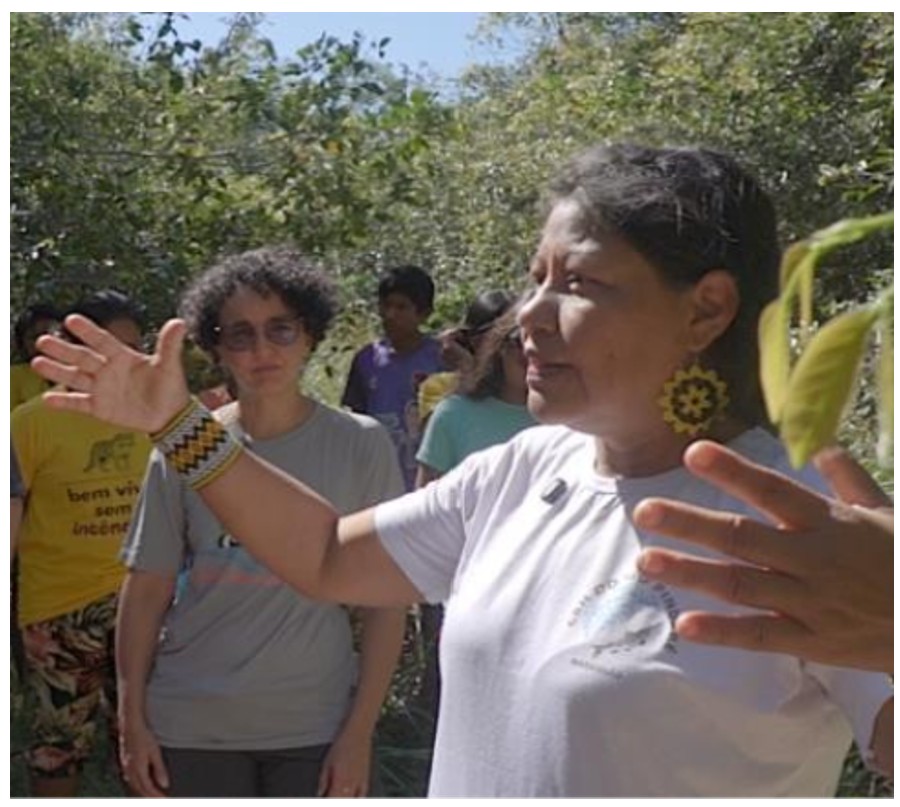
Caption: Silvia Cristina Puxcwyj Krikati talks with guests about efforts to protect the territory's nature
“We are currently trying to restore this spring, which is very hard work. But it is not only the work of the Krikati people; it is also the work of society,” said teacher Silvia Cristina Puxcwyj Krikati. “Because of construction and deforestation, the water dried up. The fish disappeared. The surubim—better known as Cõorõ by the Krikati people—the curimatá, the pial, they were part of our people’s rituals. If young people no longer know these fish species, they will think it is normal that they do not exist. This condemns the future of generations.”
In response, the community joined the Territorial and Environmental Strengthening in the Krikati Indigenous Land project implemented by the Makarapy Institute. The community received support from the Critical Ecosystem Partnership Fund and its regional implementation team, the International Institute of Education of Brazil, and funding from Canada’s International Biodiversity Program.
The community formed restoration brigades, set up community nurseries and began restoring riparian forests with native species. At the same time, it empowered women as guardians of the hotspot and enriched riverbanks with native plants that are central to the peoples’ spirituality, food and medicine.
Krikati women take the lead
The project has a cross-cutting approach to gender equality. It breaks with the historical invisibility of Indigenous women in environmental conservation actions. The project trained more than 30 Krikati women in subjects such as participatory cartography, territorial management and political leadership.
Women who were previously excluded from decision making now lead restoration brigades. They work directly in seed collection, seedling production and spring restoration. The program focuses on empowerment, autonomy and climate justice and includes mentoring programs, discussion groups, educational campaigns and training on women’s rights.
“We see that we are capable of occupying these roles as women and taking care of our territory in terms of combatting environmental issues,” said Rose Xera Krikati, who is a member of a restoration brigade. “All of this is important because we are taking care of our homes. And we see that today there are plants that we did not have before, and through the work of the brigade, we see fruit trees—açaí, buriti—in the backyards.”
Through the project:
- 107 Indigenous participants received structured training in environmental monitoring, territorial management, mapping, environmental education and gender
- 57 women
- 48 men
- 2 nonbinary participants
- 2 women assumed new leadership roles to coordinate environmental education and community mobilization activities
- 6 hectares of Krikati Indigenous land benefited from improved community-based management
- 700 native seedlings were planted
- 30 agroforestry home gardens were restored or strengthened
“The history of the Krikati people shows that the response to the climate crisis can come from traditional peoples and knowledge. It is an example of resilience, community leadership and innovation from the territories,” said Aryanne Amaral, socio-environmental analyst and regional implementation team leader at the International Institute of Education of Brazil.
- Date modified:
