
Canada helps Jordan restore coral reefs in Aqaba
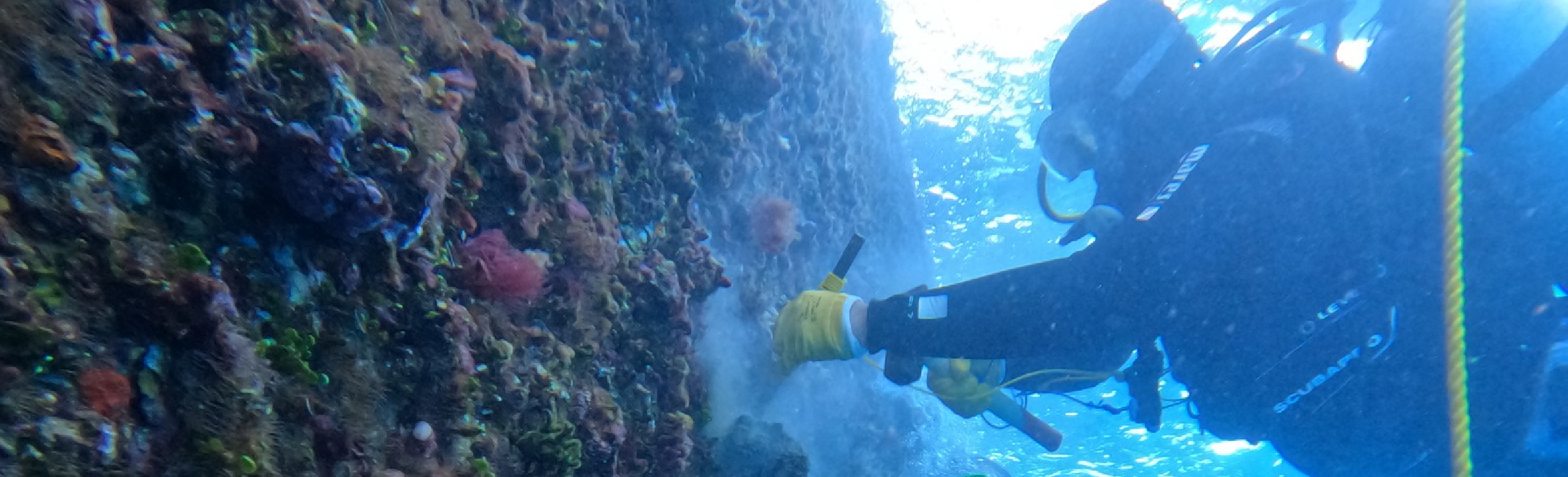
Canada recognizes that protecting biodiversity abroad and at home contributes to building strong, sustainable economies and creating healthier and more resilient societies. Canada’s 2023-2026 International Biodiversity Program helps developing countries to fulfill their commitments under the Kunming-Montreal Global Biodiversity Framework to restore, conserve and sustainably use biodiversity.
Along the 27-kilometer coastline of Aqaba, Jordan, development and nature exist side by side. Ports, hotels, tourism hubs, and growing urban investments line the shore of the Gulf of Aqaba. This area is home to one of the world’s most biodiverse and climate-resilient coral reef systems.
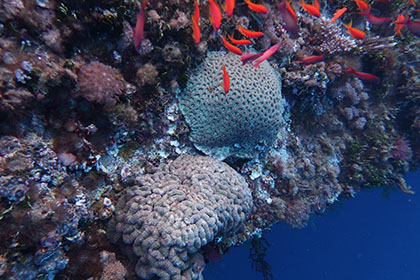
Credit: © : Attiya, Aqaba Marine Reserve (AMR)
Diverse coral colonies grow on the barge surface
Since 2001, when the Aqaba Special Economic Zone Authority was created, the city has grown quickly. It has become a place for investment. But this growth has also put pressure on marine ecosystems that sustain fishing, tourism, and coastal protection.
As preparations advanced for major coastal residential and tourism development, experts surveying the site made an unexpected discovery. An old 150-meter barge, no longer in use, was resting along the shore. Over time, it turned into a living reef. Rare and ecologically valuable corals have grown on it, creating a thriving micro-ecosystem of global importance.
Marine specialists warned that construction would destroy these corals unless urgent action was taken.
For Bader, a local fisher, the risk was personal. His family has depended on the sea for generations. "If the coral disappears, the fish disappear too. Saving the reef is saving our livelihoods."
Faced with a race against time, the Authority made a pivotal decision. Conservation would move hand in hand with development.
With funding from Canada’s International Biodiversity Program implemented by the CGIAR Science Program on Multifunctional Landscapes, the Authority partnered with the United Nations Development Programme (UNDP) through the Protecting Marine Biodiversity in Aqaba (EmBRACE) project, working closely with scientists from the Aqaba Marine Reserve.
Recognizing that success would depend on local expertise and community commitment, the Authority and UNDP mobilized divers, fishers, and coastal community members whose lives are inseparable from the sea as central actors in the mission. Their knowledge of the sea – its currents, reefs, and marine life – helped guide the work with scientists.
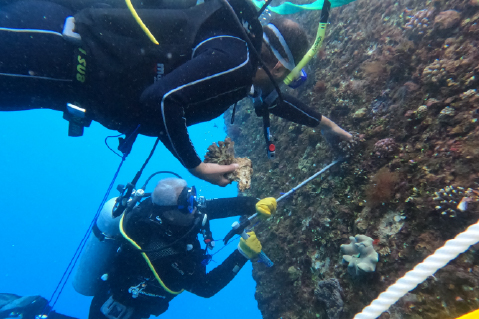
Credit: © : Attiya, Aqaba Marine Reserve (AMR)
AMR staff removing the coral colonies to be transferred to the restoration site
Together, the team carefully removed living corals from the barge. They then moved them to safe areas inside the Marine Reserve, where they had a better chance of surviving. In just a few weeks, they saved 80 square meters of coral habitat.
This was not only an environmental success but also changed how people saw their role. Community members became active protectors of the reef, not just users of its resources. They built new skills and showed that development can happen without harming nature.
Abdullah, a local diver with more than 15 years of experience, shared his pride: "Usually, I guide visitors to admire the reefs. This time, I was helping protect them. Every coral we moved felt like saving a piece of our future."
As the relocated corals take root in their new home, the Authority and its partners have committed to long-term monitoring and care. This will help the corals grow and ensure the effort lasts over time.
This project shows a new way forward for Aqaba. Economic growth and environmental protection do not have to compete. With the right planning and strong community support, they can work together. Today, the rescued corals are growing in their new home. They are a sign of what is possible when people act together. In a city racing toward the future, nature was not sacrificed; it was protected.
And in the clear waters of Aqaba, hope now grows where loss once seemed inevitable.
- Date modified:
