
Canada strengthens Ndeiya’s shift to sustainable farming
Canada recognizes that protecting biodiversity abroad and at home contributes to building strong, sustainable economies and creating healthier and more resilient societies. Canada’s 2023-2026 International Biodiversity Program helps developing countries to fulfill their commitments under the Kunming-Montreal Global Biodiversity Framework to restore, conserve and sustainably use biodiversity.
Ndeiya Sub-County in Kiambu County, Kenya, was long defined by scarcity. Water was so limited that families rationed it for drinking, leaving little for farming. Maize and beans often failed. There were no kitchen gardens, a few fruit trees, and very few seed varieties. Many households depended on government relief food. As one farmer recalled, “We farmed because our parents farmed, but we harvested nothing. We waited for food donations to survive.”
Change began with the Biodiversity for Resilient Ecosystems in Agricultural Landscapes (B-REAL) project, funded by Canada’s International Biodiversity Program. The project builds on earlier work under the CGIAR Agroecology Initiative.
Credit: © Esther Kagai
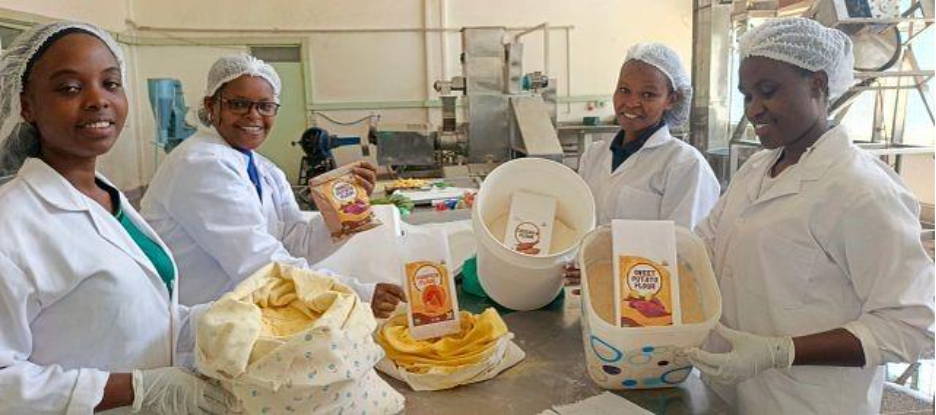
Farmers learned participatory guarantee systems and business model development for a pumpkin processing enterprise.
B-REAL is led by the Alliance of Bioversity and the International Centre for Tropical Agriculture (CIAT), in collaboration with the Community Sustainable Agriculture and Healthy Environment Program (CSHEP). CSHEP was founded in 2014 by first generation Africa Women Leaders in Agroecology mentee and organic farming master trainer Esther Kagai, to address hunger, malnutrition, and environmental degradation by training women in organic farming and kitchengardening. Esther opened a CSHEP training center in Ndeiya in 2021. Since then, her team has trained more than 1,000 farmers in organic farming methods, introducing practices designed with farmers to suit local conditions.
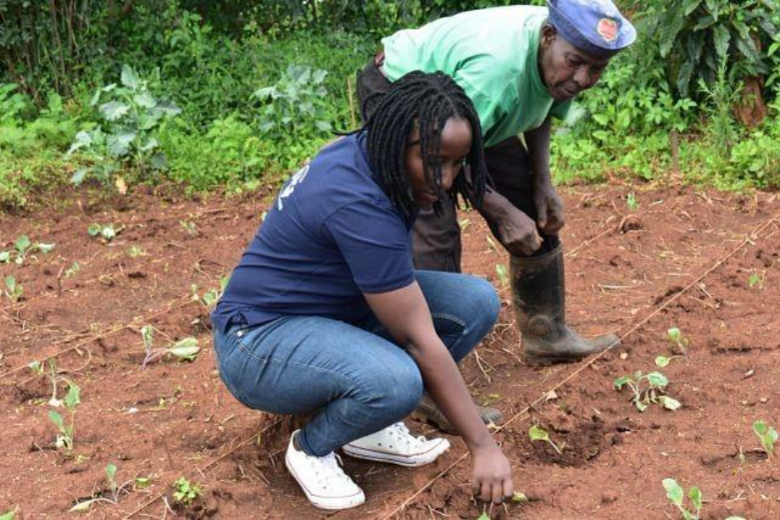
Sylvia Wangui, a young CSHEP staff member, plays a key role. She believes in working with farmers, not imposing solutions. She supports a Farmer Research Network in Ndeiya, where more than 50 lead farmers test agroecology practices on their own farms. They have completed five learning cycles so far. Sylvia also teaches farmers simple record-keeping to track seeds, harvests, and income.
Credit: © CSHEP
Sylvia Wangui, a CSHEP program officer, facilitates the Ndeiya Farmer Research Network (FRN).
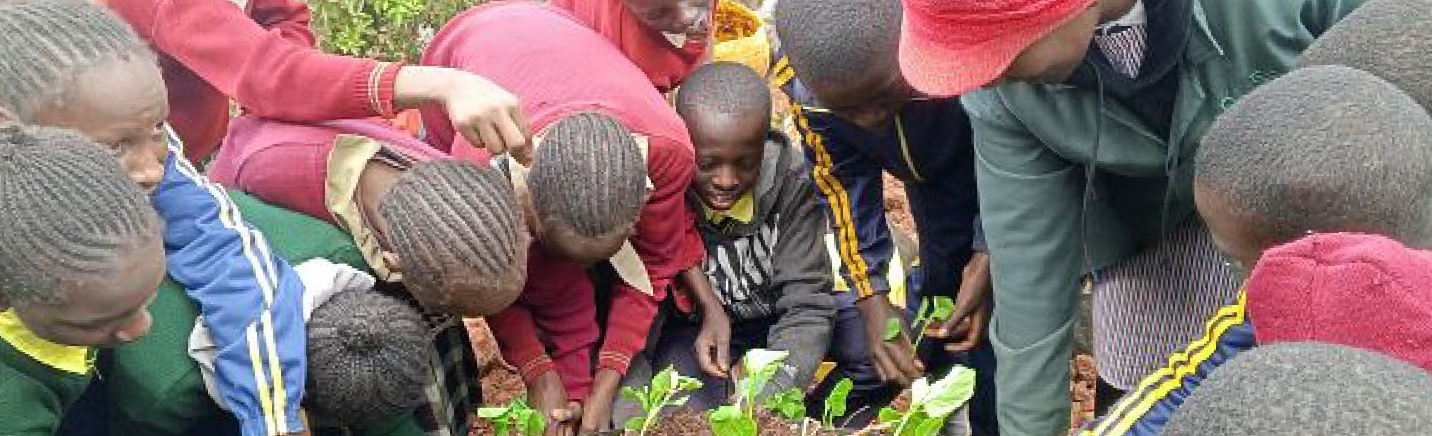
Sylvia’s work now includes schools. At the county government’s request, all 17 public comprehensive schools joined the new Multifunctional Schools Network. Sylvia helped start organic kitchen gardens that require minimal water. She also supported tree nurseries and plans for small community seed banks to preserve local varieties. About 5,000 tree seedlings have grown through farmer and school efforts.
At first, many farmers doubted how kitchen gardens could work in such dry conditions. Today, they proudly show their harvests. Sylvia recalls Mama Njeri, a widow who earned 8,000 Kenyan shillings from vegetables grown in a small 10-square-meter garden. She used the money to buy school shoes for her granddaughter and learned through record-keeping that even a small garden could feed her household.
Mentorship has shaped Sylvia’s journey. With support from Esther and programs like WE4R (Women Empowerment for Resilient Rural Areas), Sylvia helps women, professionals, and youth navigate land rights and respond to climate change challenges.
The transformation in Ndeiya is clear. More than 200 households now maintain kitchen gardens. This increases production, reduces food expenses and creates income. Youth who had abandoned agriculture are returning. Women are starting small businesses, such as basket-weaving, to diversify their income. Children are learning about composting and mulching. A youth group now runs a tree nursery on CSHEP’s grounds.
Seventy-four farmers have formed a Participatory Guarantee System group to support organic farming. They are petitioning the county government to establish an organic market to secure fair prices and ensure sustainability.
Today, Ndeiya no longer waits for relief food. Farmers grow their own food, save seeds, and earn income with dignity. What was once dry and struggling is now a place of health, hope and harvest.
- Date modified:
